Drought-Tolerant Native Plants for Low Maintenance
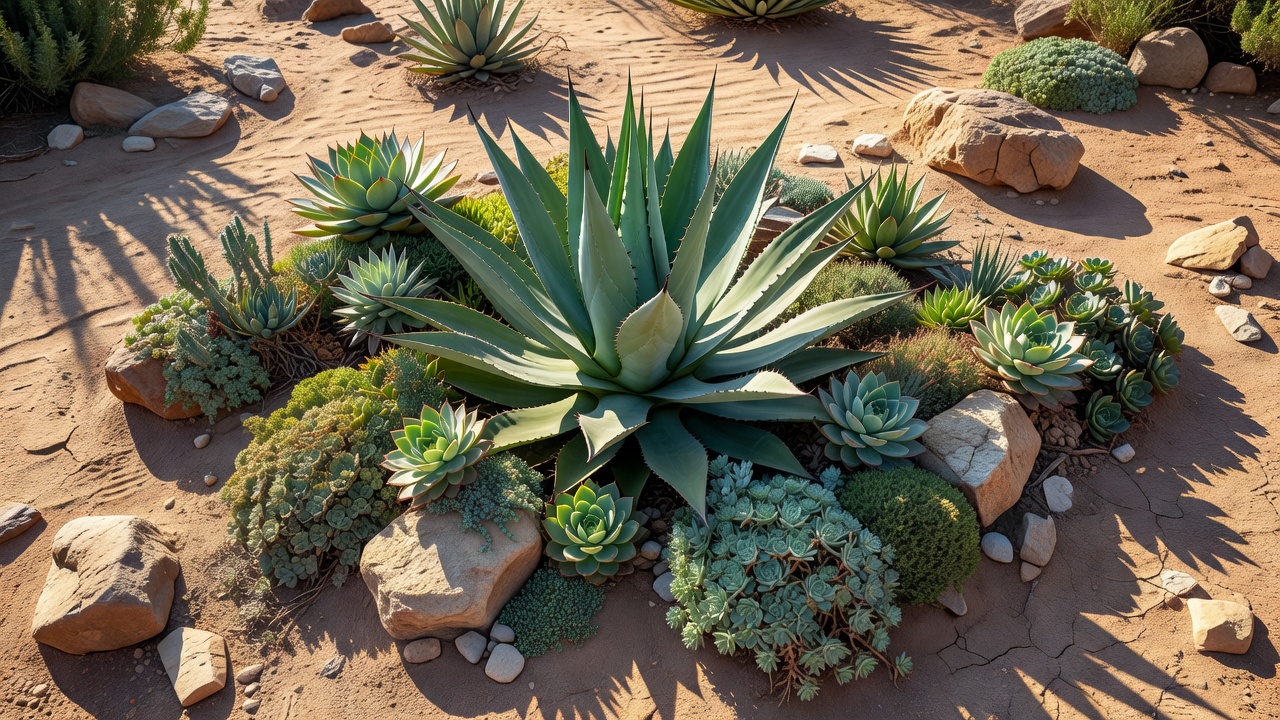
The traditional expansive green lawn requires an unsustainable amount of water, fertilizer, and labor. As climate patterns shift and water conservation becomes paramount, homeowners are turning to xeriscaping and native plant landscaping. It’s an ecologically sound choice that happens to look incredibly stylish.
Why Native Plants?
Native plants have evolved over thousands of years to thrive in your specific region's soil and rainfall conditions. Once established (usually after the first year), they rarely require supplemental watering, they resist local pests naturally, and they provide essential food and habitat for local pollinators like bees, butterflies, and hummingbirds.
Top Drought-Tolerant Selections (North America)
- Lavender (Lavandula): Though technically Mediterranean, it thrives in dry, well-draining soil across much of the US. It offers brilliant purple blooms and an unmistakable fragrance.
- Yarrow (Achillea millefolium): A hardy native perennial with flat-topped flower clusters. It is highly drought-resistant and attracts beneficial insects.
- Agave & Yucca: Perfect for Southwestern or modern minimalist landscapes. These architectural succulents store water in their fleshy leaves.
- Russian Sage (Perovskia atriplicifolia): Provides a haze of blue-purple flowers late in the summer and thrives in hot, dry, poor soil conditions.
- Ornamental Grasses (e.g., Blue Fescue, Switchgrass): These provide texture, movement in the wind, and require virtually zero maintenance beyond a yearly pruning.
The Art of Mulching
Soil Secret: Drought tolerance is just as much about keeping moisture in the soil as it is about the plant itself. Apply a 2-3 inch layer of organic mulch (like shredded bark) or inorganic mulch (gravel/river rock for succulents) to prevent evaporation.
Find Plants Native to Your Zip Code →